

Thermal Imaging Home Inspection Secrets Revealed: What Experts Don’t Want You to Know
Thermal Imaging Home Inspection Secrets Revealed: What Experts Don’t Want You to Know
Thermal Imaging Home Inspection Secrets Revealed: What Experts Don’t Want You to Know
Why Thermal Imaging Matters in Denver Homes
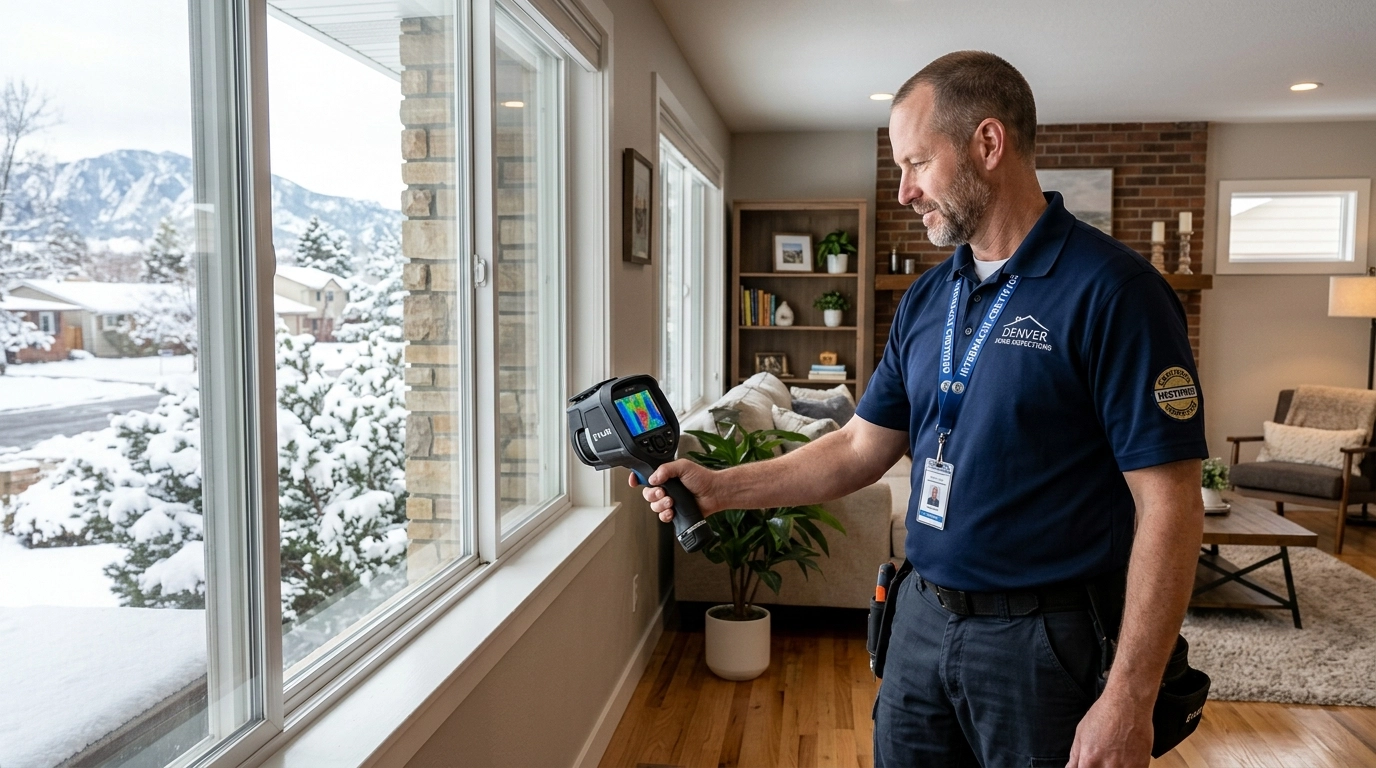
Thermal imaging helps uncover issues that may not be visible during a standard inspection.
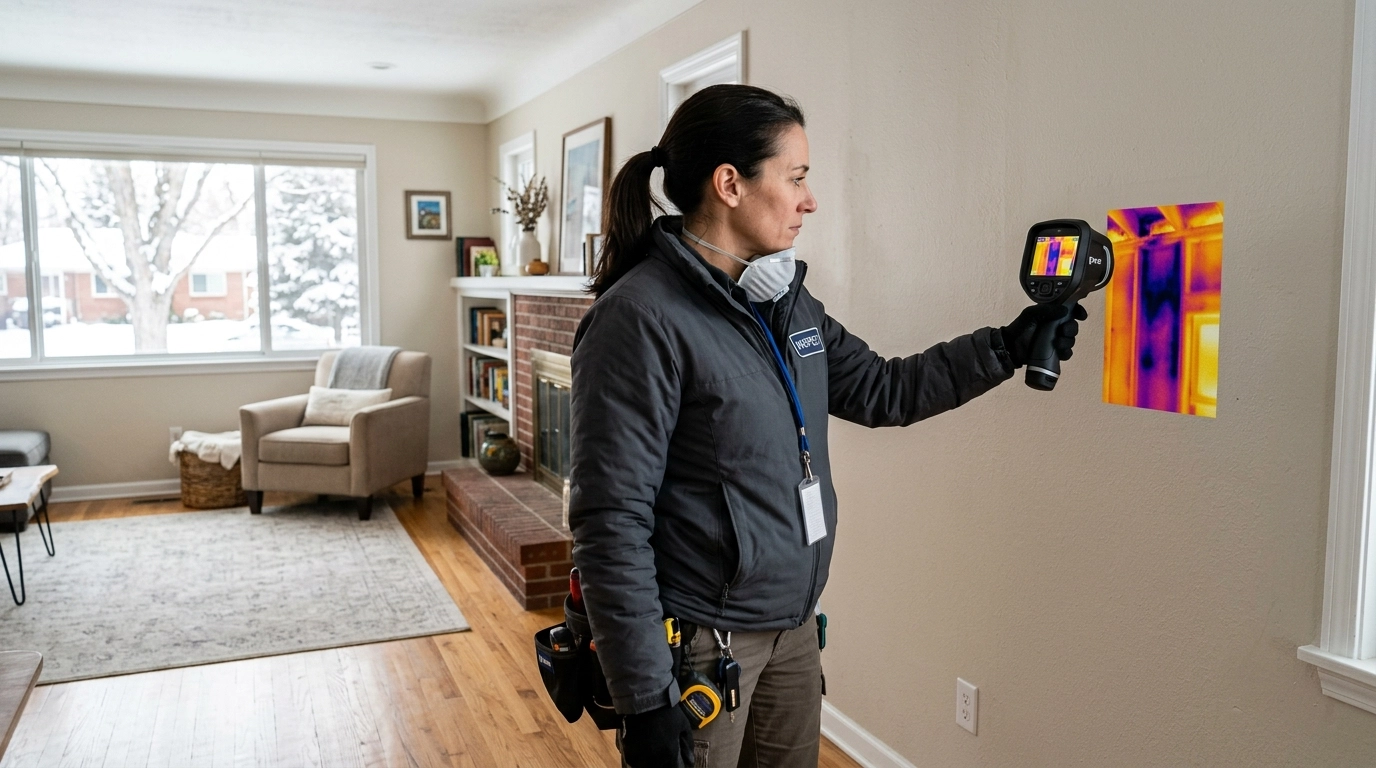
- Detects missing or uneven insulation in exterior walls, attics, and rim joists
- Helps identify heat loss that becomes more noticeable during Denver’s cold winter months
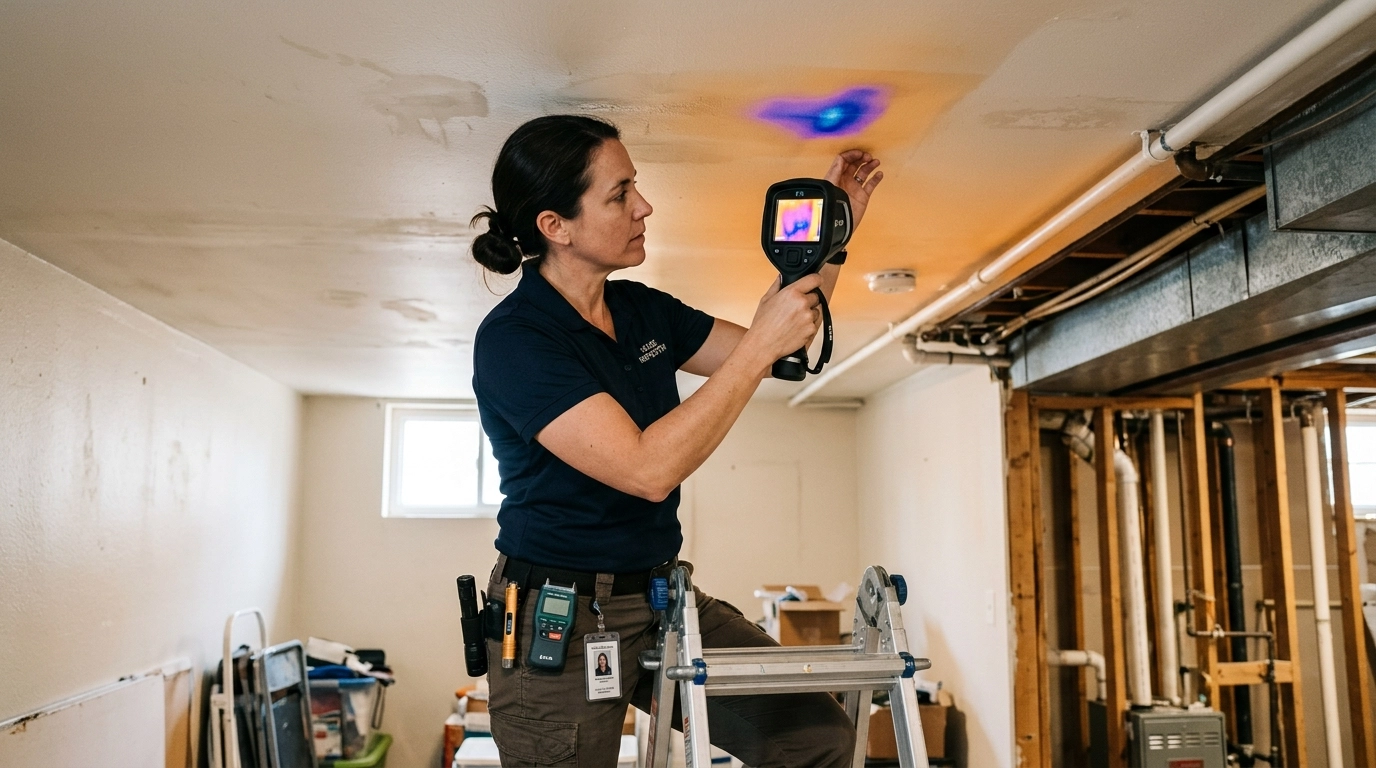
- Reveals hidden moisture from roof leaks, plumbing leaks, and basement seepage
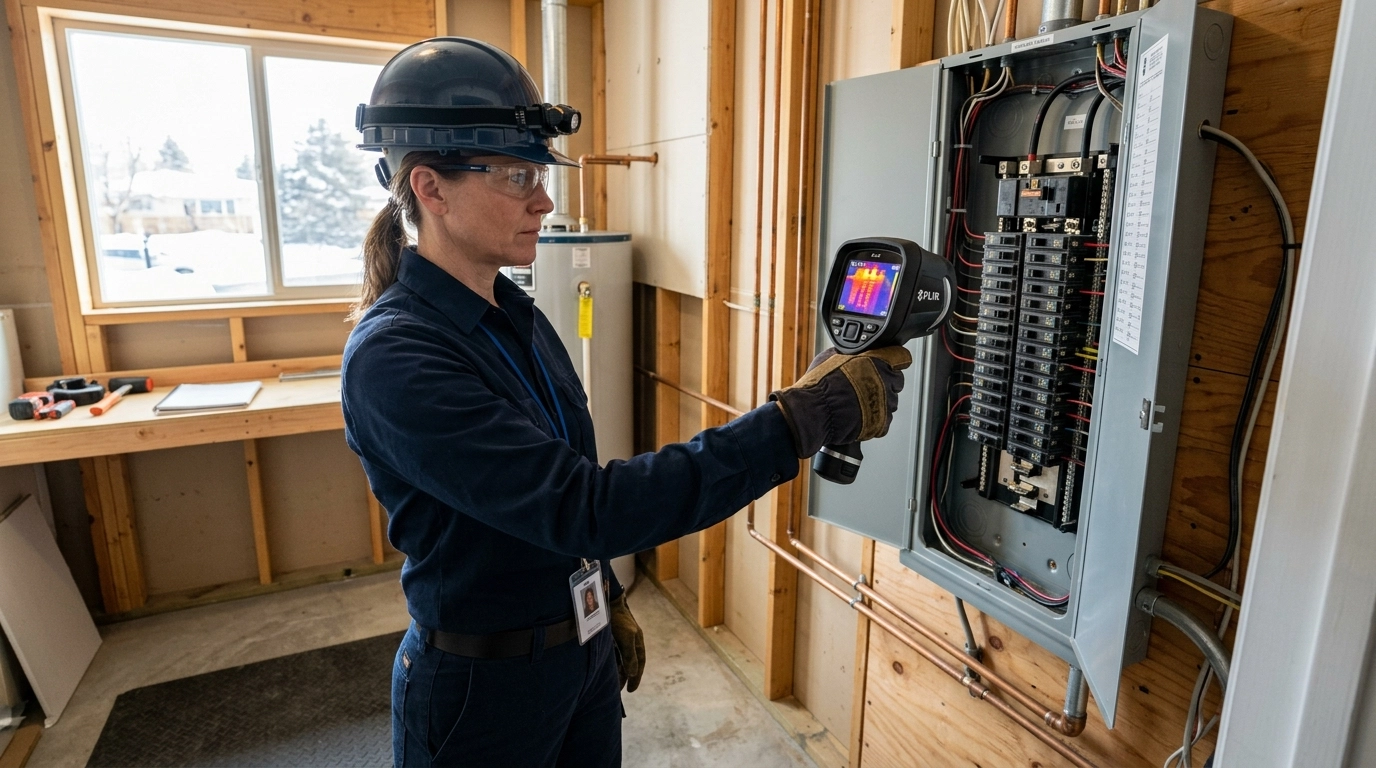
- Locates overheated electrical components that may signal a safety concern
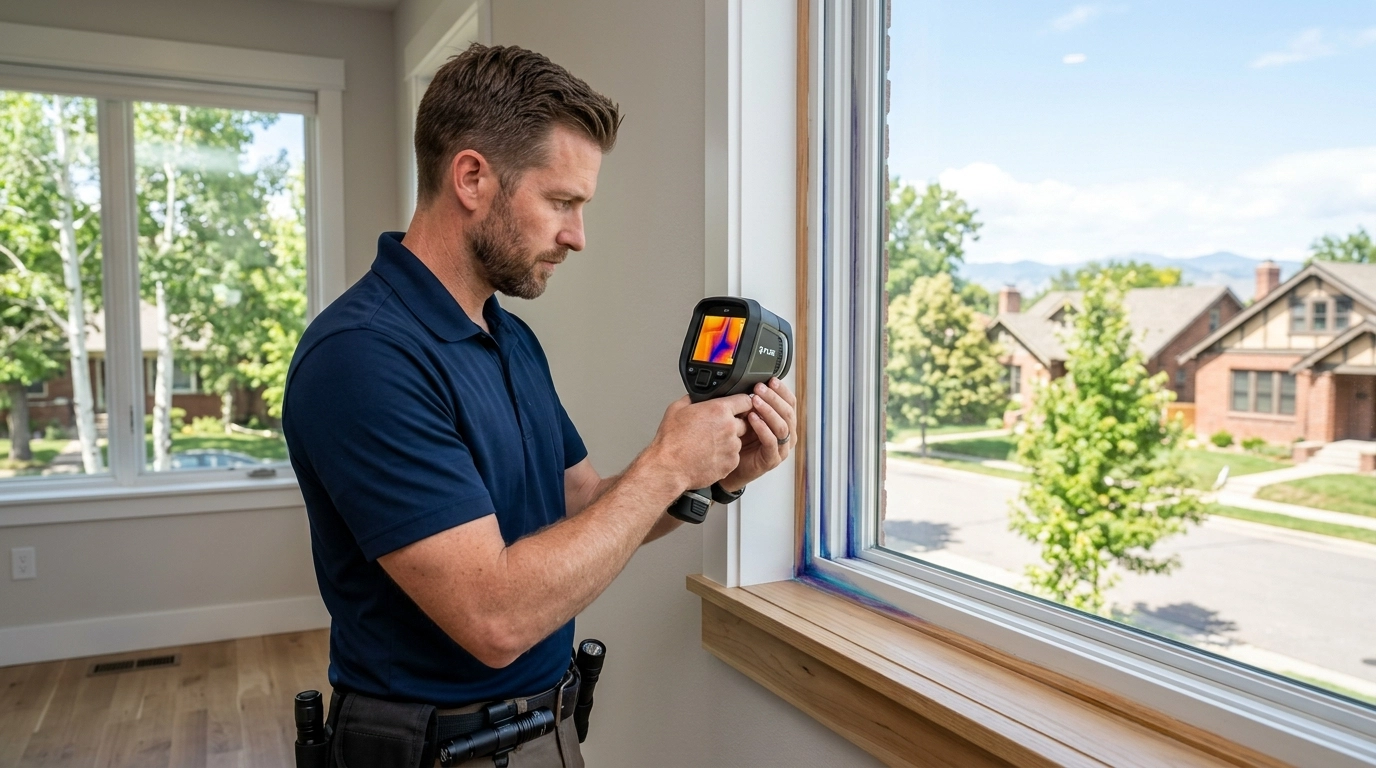
- Shows air leaks around windows, doors, and other exterior penetrations
Thermal imaging works by reading surface temperature differences. In Denver, those differences can be especially useful when homes are dealing with winter cold, strong sun exposure, attic heat buildup, and seasonal moisture changes.
What Thermal Imaging Can Help Reveal
Thermal imaging adds another layer of information during an inspection. It helps us identify patterns that deserve closer evaluation.
- Hidden moisture behind ceilings, walls, or below roof surfaces
- Cold spots caused by missing insulation
- Draft paths around windows, doors, and attic transitions
- Overheating breakers, wiring connections, and electrical components
- Temperature irregularities that may point to energy loss or building defects
Specific Denver Issues Thermal Imaging Can Help Identify
Denver homes face a mix of climate and construction conditions that make thermal imaging especially useful.
- Cold-weather insulation gaps
Winter temperature swings can make missing attic insulation, under-insulated walls, and leaky rim joists stand out more clearly - Air leakage during heating season
Drafts around windows, doors, can lights, attic hatches, and top plates can increase energy bills and reduce comfort - Moisture intrusion after snow and freeze-thaw cycles
Roof penetrations, flashing details, skylights, and basement walls may show thermal patterns consistent with hidden moisture - Electrical hot spots
Thermal imaging can help flag overheated breakers, loose connections, and overloaded circuits for further evaluation - HVAC performance concerns
Uneven heating or cooling patterns may point to duct leakage, insulation defects, or airflow issues
Why Buyers and Homeowners Choose Thermal Imaging
A thermal imaging inspection can provide practical value before you buy, sell, or maintain a property.
- Helps identify problems earlier
- Supports better repair planning
- Can reveal energy-loss areas that affect comfort and utility costs
- Adds context to visible conditions found during the inspection
- Gives Denver-area clients a more complete view of the property
Thermal imaging does not see through walls and it is not a standalone diagnosis tool. It is one of several inspection methods we use to help identify issues that may need further review.
For more details about our inspection process, visit Safe Investment Home Inspections, LLC.
Why Safe Investment Home Inspections, LLC
We include advanced tools and practical experience to help clients make more informed decisions.
- Thermal imaging included with our inspections
- Permit checks included
- Certified Master Inspector
- 24+ years of construction experience
- 200% Satisfaction Guarantee
- 110% Best Price Guarantee
- Serving Denver and the surrounding Colorado Front Range
Schedule a Denver Thermal Imaging Inspection
If you are buying, selling, or maintaining a home in the Denver area, thermal imaging can help uncover issues that are easy to miss with the naked eye.
- Insulation concerns
- Moisture intrusion
- Air leakage
- Electrical hot spots
- Heating and cooling irregularities
Learn more at www.safeinvestmenthomeinspections.com or review our HOME INSPECTION SERVICES.
—
Nathan Fairchild
CEO
Safe Investment Home Inspections, LLC