



7 Mistakes You’re Making with Your Sewer Scope Inspection in Denver (and How to Fix Them)
7 Mistakes You’re Making with Your Sewer Scope Inspection in Denver (and How to Fix Them)
7 Mistakes You’re Making with Your Sewer Scope Inspection in Denver (and How to Fix Them)
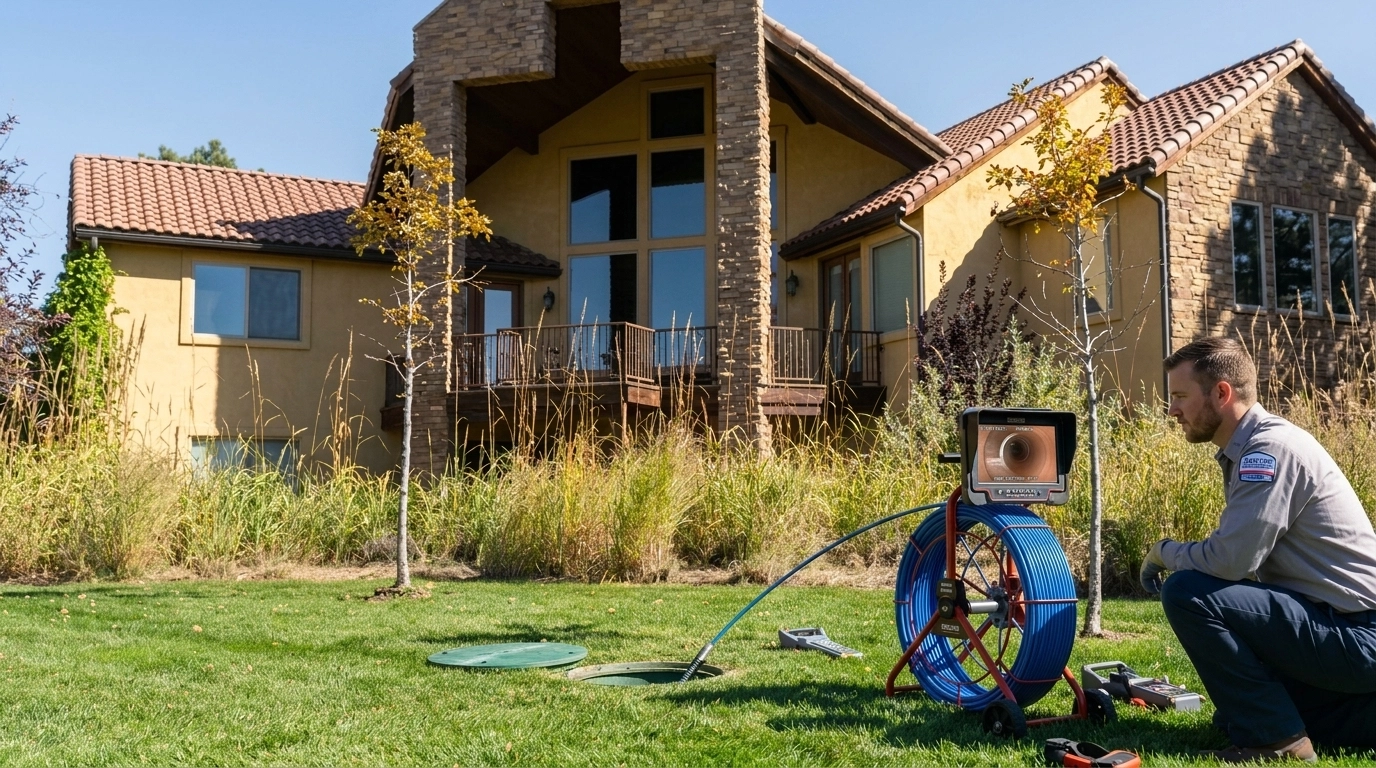
If you want your sewer scope inspection done right in Denver, you need more than a quick camera run and a vague opinion. You need a complete look at the line, a clear video record, and someone who understands how Denver’s soil conditions, tree roots, and aging infrastructure affect underground sewer lines.
At Safe Investment Home Inspections, LLC, we see the same sewer scope mistakes over and over in neighborhoods like Washington Park, Park Hill, Highlands Ranch, Capitol Hill, Stapleton/Central Park, Arvada, Lakewood, and Littleton. Some homes have older clay or cast-iron lines. Others sit in areas with expansive bentonite clay, shifting fill soils, or heavy root activity from mature trees. All of that matters.
Below are seven common mistakes, why they matter in Denver, and how to avoid expensive surprises.
1. Skipping the Sewer Scope on Newer Homes
A lot of buyers assume newer construction means the sewer line is fine. That’s not always true.
Why this is a mistake
- New construction lines can still have debris, poor connections, standing water, or crushed sections
- Construction washout, rocks, and mud can get left in the line before the home is ever occupied
- Soil movement in the Denver Basin can start affecting a line early, especially in areas with expansive clay soil
Common Denver-area concerns
- New developments in Commerce City, Thornton, and parts of Aurora can have shifting soils and settlement-related drainage issues
- Homes built on recently disturbed lots may show line bellies or offset joints sooner than expected
How to fix it
- Get a sewer scope even if the home is brand new
- Make sure the entire lateral is inspected from the cleanout to the city connection when accessible
- Ask for video evidence and a written report with defect locations
2. Using a DIY Camera Instead of Professional Equipment
Cheap sewer cameras rarely give you the information you actually need.
Why this is a mistake
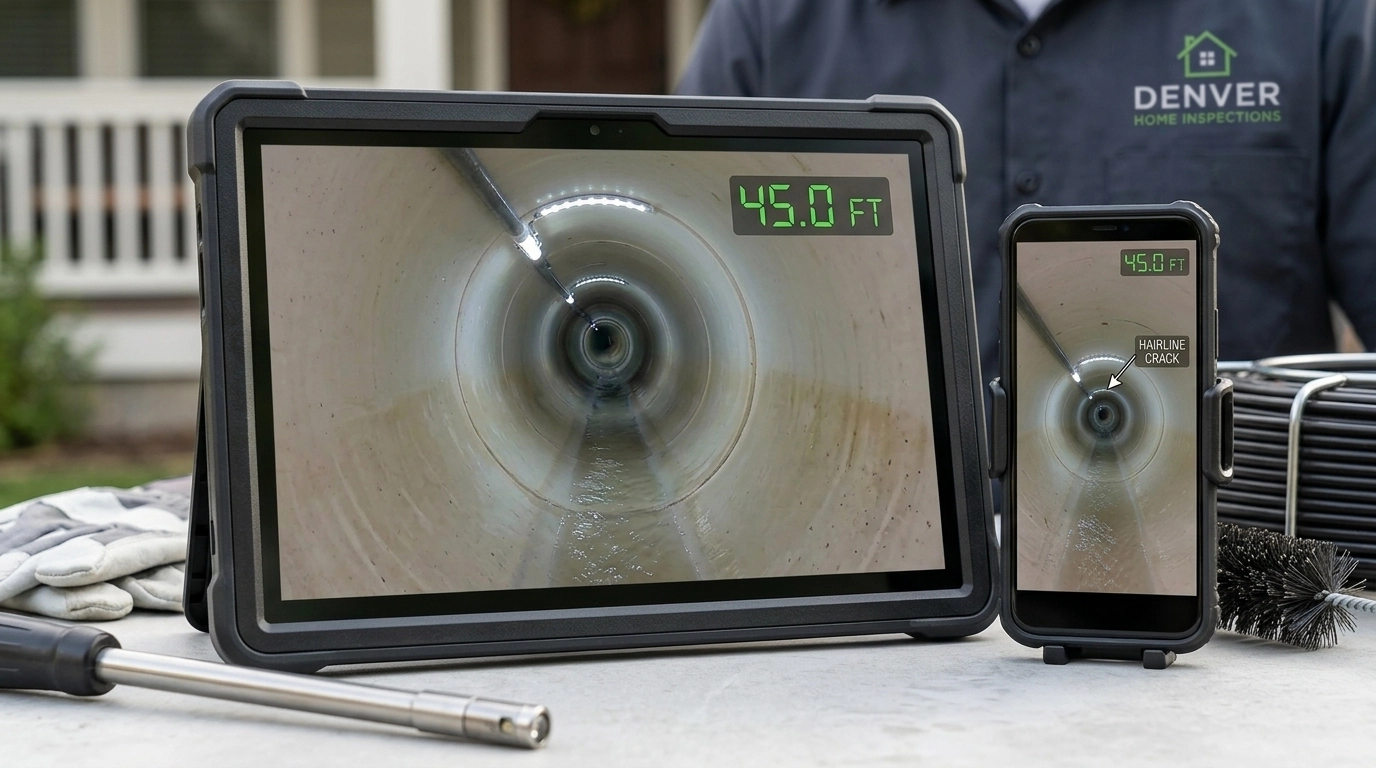
- Consumer-grade cameras often miss cracks, separated joints, root intrusion, and scale buildup
- Most DIY systems do not provide accurate distance tracking
- Poor lighting and image quality can make a damaged section look normal
Why it matters in Denver
- Older neighborhoods like Park Hill, Congress Park, and Capitol Hill often have aging clay or cast-iron sewer lines
- In areas with expansive clay or mixed urban fill soils, even small shifts can create defects that low-quality cameras won’t clearly show
How to fix it
- Use a professional sewer scope with high-definition video and accurate footage marking
- Choose an inspector who understands local sewer materials and soil movement
- Work with an independent inspection company like Safe Investment Home Inspections, LLC
3. Not Scoping All the Way to the City Tap
Stopping short of the city connection leaves one of the most important sections unseen.
Why this is a mistake
- Problems often show up near the end of the private lateral
- Root intrusion, offset joints, and breaks are common at transitions
- If the scope does not reach the tap, you may miss the defect that leads to the biggest repair cost
Where we see this in Denver
- Mature neighborhoods like Washington Park, Baker, Sloan’s Lake, and Berkeley often have root-heavy laterals
- Older properties with mature trees can have damage in the last few feet before the city connection
How to fix it
- Confirm the inspector scopes the full accessible length of the line
- Ask whether the city tap or terminal connection was visually confirmed
- Request defect distances so repairs can be accurately estimated
4. Hiring a Repair Company to Do the Inspection
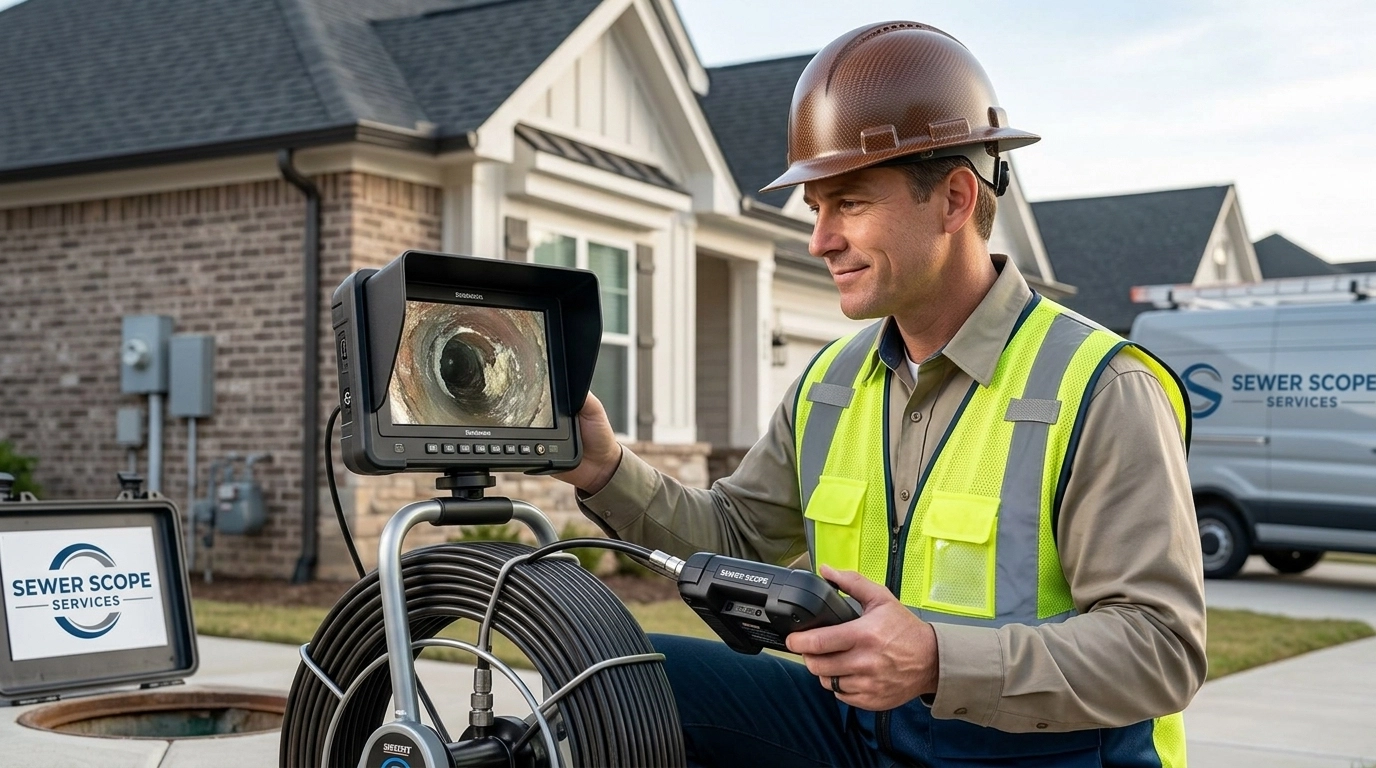
An inspection should be about finding facts, not selling repairs.
Why this is a mistake
- Companies that repair sewer lines may have a financial incentive to overstate issues
- Buyers need an unbiased opinion before negotiating or committing to repair work
- A neutral report helps you separate routine wear from urgent defects
Why independence matters
- Safe Investment Home Inspections, LLC does not perform sewer repairs
- That means the findings are focused on the condition of the line, not on selling a replacement
How to fix it
- Hire a third-party inspection company first
- Use the report and video to get repair bids only after the condition is documented
- Compare recommendations if a major repair is proposed
5. Accepting a Verbal Summary Instead of a Digital Report
If there’s no video and no documentation, there’s not much value in the inspection.
Why this is a mistake
- Verbal summaries are easy to misunderstand
- Handwritten notes may leave out exact footage locations
- You need evidence for negotiations, follow-up repair quotes, and future records
What a proper sewer scope should include
- High-definition inspection video
- Written summary of findings
- Distance markers for defects
- Photos or snapshots when useful
- A clear statement of whether the line was fully traversed
How to fix it
- Ask for a digital report before you book
- Make sure the report is easy to share with your agent, plumber, or seller
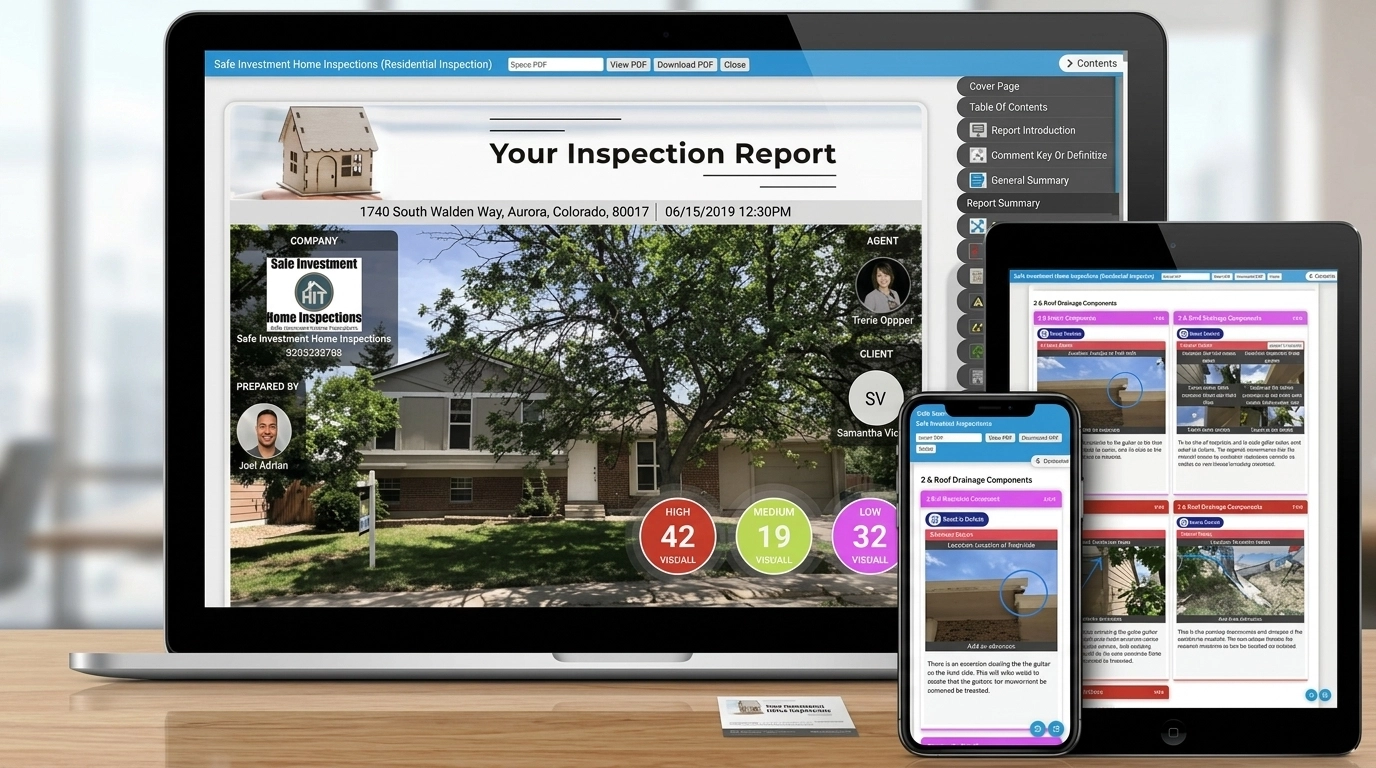
- Choose an inspector who provides organized documentation
6. Ignoring Standing Water or a Belly in the Line
Standing water is not something to brush off.
Why this is a mistake
- A belly can trap waste and toilet paper
- Repeated slow drainage and backups often start here
- Bellies may point to settlement, poor installation, or long-term soil movement
Why this happens in Denver
- Bentonite-rich clay soils can expand and contract with moisture changes
- Freeze-thaw cycles and settling soils can affect pipe slope
- Areas with shifting subgrade or older installations are more vulnerable
Neighborhoods where this can matter
- Homes in Green Valley Ranch, Aurora, Lakewood, and some parts of Littleton can be affected by variable soils and settlement conditions
- Any property with older buried lines or poor drainage around the foundation deserves a close look
How to fix it
- Have the inspector identify the exact location and length of the belly
- Determine whether the standing water is minor or severe enough to affect function
- Use the footage data to price repairs accurately if correction is needed
7. Overlooking Distance Tracking and Line Location Data
Knowing there’s a problem is only half the job. You also need to know exactly where it is.
Why this is a mistake
- Inaccurate footage tracking makes repair estimates less reliable
- Excavation costs can increase when contractors have to guess
- Buyers and sellers need precise information to negotiate intelligently
What good distance logging helps with
- Identifying whether the issue is near the house, under landscaping, or close to the city main
- Helping plumbers locate the damaged section faster
- Reducing unnecessary digging and cost overruns
How to fix it
- Ask whether the camera system includes calibrated distance tracking
- Choose an inspector who documents exact footage points
- Make sure findings are tied to the video record

Why Denver Sewer Scope Inspections Matter
Denver isn’t a one-size-fits-all sewer environment. Sewer lines in older Denver neighborhoods can face different issues than those in newer suburban developments.
Local factors that affect sewer lines
- Expansive bentonite clay soils
- Freeze-thaw movement
- Older vitrified clay tile
- Cast-iron deterioration
- Orangeburg transitions
- Tree-root intrusion from mature cottonwoods and ash trees
- Settlement in fill soils
- Improper slope from original installation or later movement
Why Homebuyers and Homeowners Choose Safe Investment Home Inspections, LLC
If you’re booking a sewer scope inspection in Denver, here’s what sets us apart:
Reasons clients call us
- Certified Master Inspector
- 24+ years of construction experience
- Independent inspections with no repair upsell
- Thermal imaging and permit checks included in our inspection approach
- Detailed digital reporting
- Service across Denver and the Colorado Front Range
- 200% Satisfaction Guarantee
- 110% Best Price Guarantee
Schedule Your Denver Sewer Scope Inspection
Whether you’re buying in Washington Park, selling in Lakewood, investing in Arvada, or maintaining a home in Littleton, a sewer scope can help you avoid major repair surprises.
Related links
Contact Safe Investment Home Inspections, LLC
- (303) 233-0750
- nathan@safeinvestmenthomeinspections.com
- Service Area: Denver and the Colorado Front Range
Nathan Fairchild
CEO
Safe Investment Home Inspections, LLC